
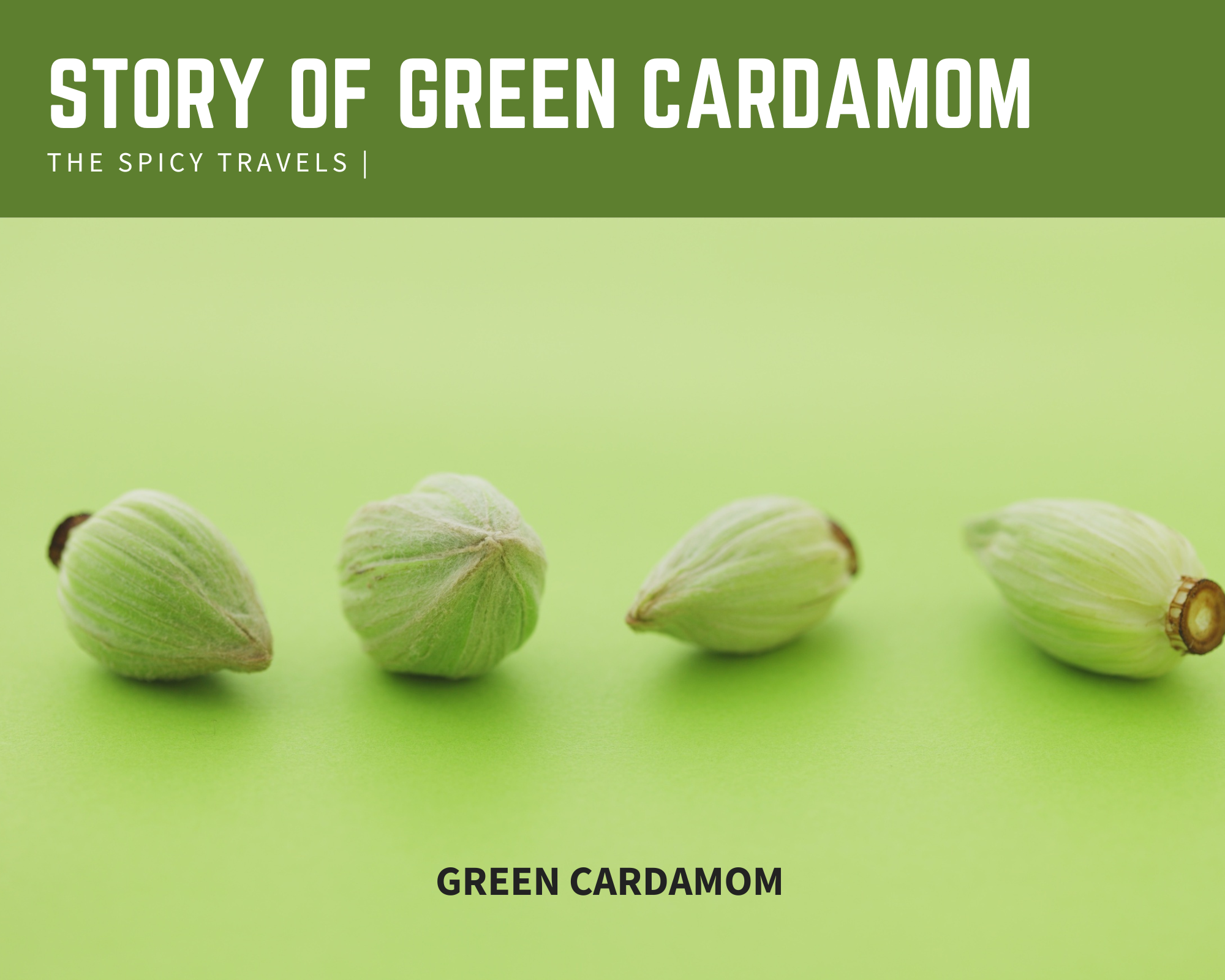
Green Cardamom: The Queen of Spices and Its Role in Trade and Indian Cuisine
Green cardamom, often referred to as the “Queen of Spices,” is one of the most aromatic and valued spices in the world. Known for its unique flavor and medicinal properties, it has played a significant role in global trade and continues to be a cornerstone of Indian cuisine.
Origins and Botanical Facts
Green cardamom comes from the plant Elettaria cardamomum, native to the tropical forests of southern India, particularly Kerala and Karnataka. The spice is harvested from small, triangular seed pods that contain tiny black seeds, which are used whole or ground. In India, it is known as Elaichi and is prized for its sweet, aromatic, and slightly spicy flavor. Green cardamom is also an important element in Ayurvedic medicine, used to improve digestion, freshen breath, and support respiratory health.
Historical Trade and Global Importance
Green cardamom has been traded for thousands of years and was highly valued in ancient civilizations. Indian merchants exported it to the Middle East, Europe, and Southeast Asia, where it was used in both culinary and medicinal applications. During the medieval period, Arab traders controlled the cardamom trade, transporting it to markets in Persia, Arabia, and beyond. European explorers and traders, recognizing its high value, sought direct access to Indian ports, leading to the expansion of spice trade networks and contributing to the Age of Exploration.
Cardamom in Indian Trade
India remains one of the largest producers of green cardamom, and it has long been a significant export commodity. The spice was historically used as a luxury item in Mughal courts and regional Indian cuisines. In trade, green cardamom was often bartered alongside other Indian spices such as black pepper, cinnamon, and nutmeg. The cultivation and export of cardamom created wealth for local farmers and merchant communities, reinforcing India’s reputation as the “Land of Spices.”
Culinary Uses in India
In Indian cuisine, green cardamom is an indispensable spice. It is used in sweet dishes like kheer, gulab jamun, and halwa, as well as in savory recipes such as biryani, curries, and spice blends. It also flavors traditional Indian beverages, including chai and masala tea, giving them a distinctive aroma and taste. Cardamom is a key component in spice mixes like garam masala, which enhance both flavor and aroma in Indian food.
Cardamom and Cooking Classes in Delhi
For food enthusiasts eager to explore Indian spices, cooking classes in Delhi offer a hands-on experience with green cardamom and other spices. Khud Rang India provides immersive cooking sessions where participants learn how to use cardamom in authentic recipes, understand its historical and trade significance, and discover its medicinal benefits. These classes provide a unique opportunity to connect with the rich heritage of Indian food while mastering practical culinary skills.
Cultural and Medicinal Significance
Green cardamom has deep cultural significance in India. It symbolizes hospitality, prosperity, and celebration and is often offered to guests during festivals and special occasions. In Ayurveda, cardamom is valued for its ability to balance the body’s doshas, improve digestion, relieve nausea, and promote respiratory health. Its use in both everyday cooking and traditional medicine underscores its enduring importance.
Conclusion
Green cardamom is more than just a spice; it is a bridge between history, trade, and Indian culinary traditions. From its origins in southern India to its journey across the globe, it has influenced trade networks, shaped cuisines, and inspired culinary creativity. Cooking classes in Delhi by Khud Rang India allow enthusiasts to experience the full flavor, aroma, and history of cardamom, connecting them with the rich legacy of Indian spices and food culture.





Leave A Comment