No products in the cart.
- info@khudrang.in
- +91 70422 78866
- +91 9810645418
If you’ve ever visited India after eating Indian food abroad, you’ve probably had the same reaction:
“This tastes completely different!”
Whether it’s a rich butter chicken in Delhi, a comforting dal prepared in a family kitchen, or a fragrant masala chai enjoyed on a quiet afternoon, the flavors often surprise international travelers. The dishes may share the same names as those served overseas, but the taste, aroma, and overall experience feel far more authentic.
So why does Indian food taste so different in India than abroad?
The answer isn’t just about spices. It’s a combination of fresh ingredients, centuries-old cooking traditions, regional diversity, family recipes, and cultural practices that have been passed down through generations.
At Khudrang, we meet travelers from around the world who join our Cooking Class in Delhi expecting to learn a few recipes. By the end of the session, they discover that authentic Indian cooking is about understanding ingredients, techniques, and the stories behind every dish.
In this article, we’ll explore the real reasons why Indian food in India offers a completely different experience from what many people taste overseas.
 Fresh Ingredients Make a Huge Difference
One of the biggest reasons Indian food tastes better in India is the freshness of the ingredients.
Many Indian households buy vegetables, herbs, dairy products, and spices from local markets every day. Fresh coriander, mint, ginger, garlic, tomatoes, green chilies, and seasonal vegetables are used within hours of purchase. This freshness creates brighter flavors and stronger aromas that are difficult to replicate in restaurants abroad.
Spices also play an important role.
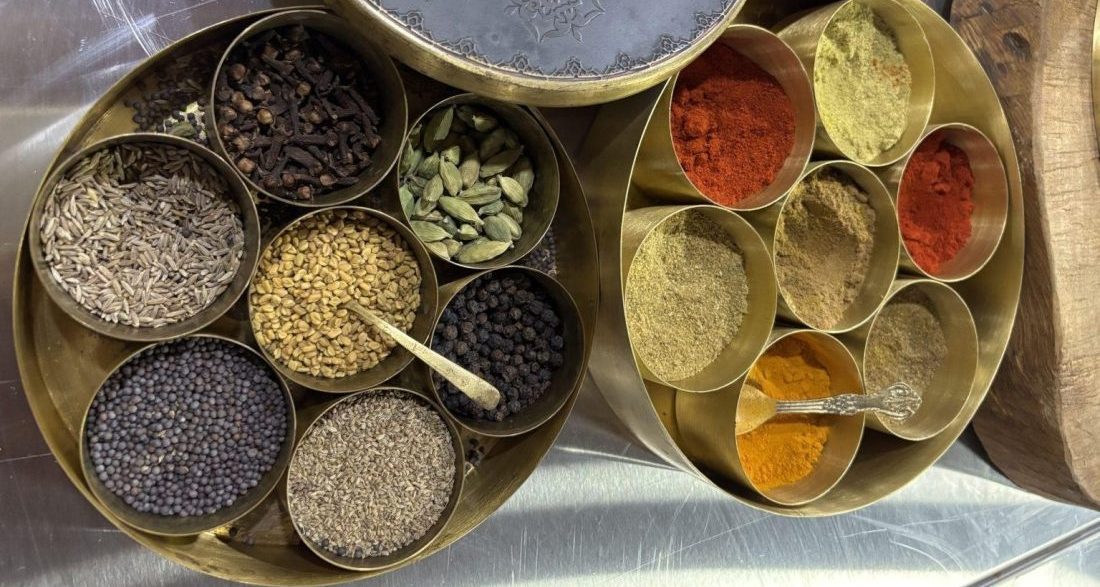
Instead of relying only on packaged spice mixes, many Indian families prepare their own spice blends using freshly roasted whole spices. Cumin, coriander seeds, black pepper, cloves, cinnamon, fennel, cardamom, and dried chilies are often roasted just before grinding. This process releases natural oils that give Indian dishes their signature depth and complexity.
In many countries outside India, restaurants often depend on pre-ground spices that have been stored for weeks or months. Although convenient, these spices gradually lose their aroma, resulting in milder flavors.
Fresh ingredients don’t just improve taste—they also preserve the authentic character of each regional recipe.
 Every Region in India Has Its Own Food Identity
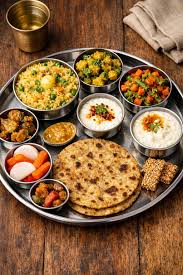
Another reason Indian food tastes different is that there isn’t just one Indian cuisine.
India is home to dozens of regional cooking traditions, each shaped by local climate, agriculture, history, and culture.
Northern India is known for rich gravies, tandoori dishes, stuffed breads, and dairy-based recipes.
Southern India features coconut, curry leaves, tamarind, rice, and fermented foods like dosa and idli.
Western India offers everything from spicy street food to sweet-and-savory Gujarati meals.
Eastern India is famous for seafood, mustard flavors, delicate sweets, and unique rice preparations.
Even within a single state, recipes vary from one family to another.
Unfortunately, many Indian restaurants overseas simplify this diversity by serving a limited menu of internationally popular dishes like butter chicken, chicken tikka masala, naan, biryani, and palak paneer.
While these dishes are delicious, they represent only a small part of India’s culinary heritage.
During an Authentic Indian Cooking Experience in Delhi, travelers often discover recipes they’ve never seen on restaurant menus outside India. Learning directly from local home cooks offers insights that simply cannot be gained from dining in commercial restaurants alone.
 Traditional Cooking Methods Create Richer Flavors
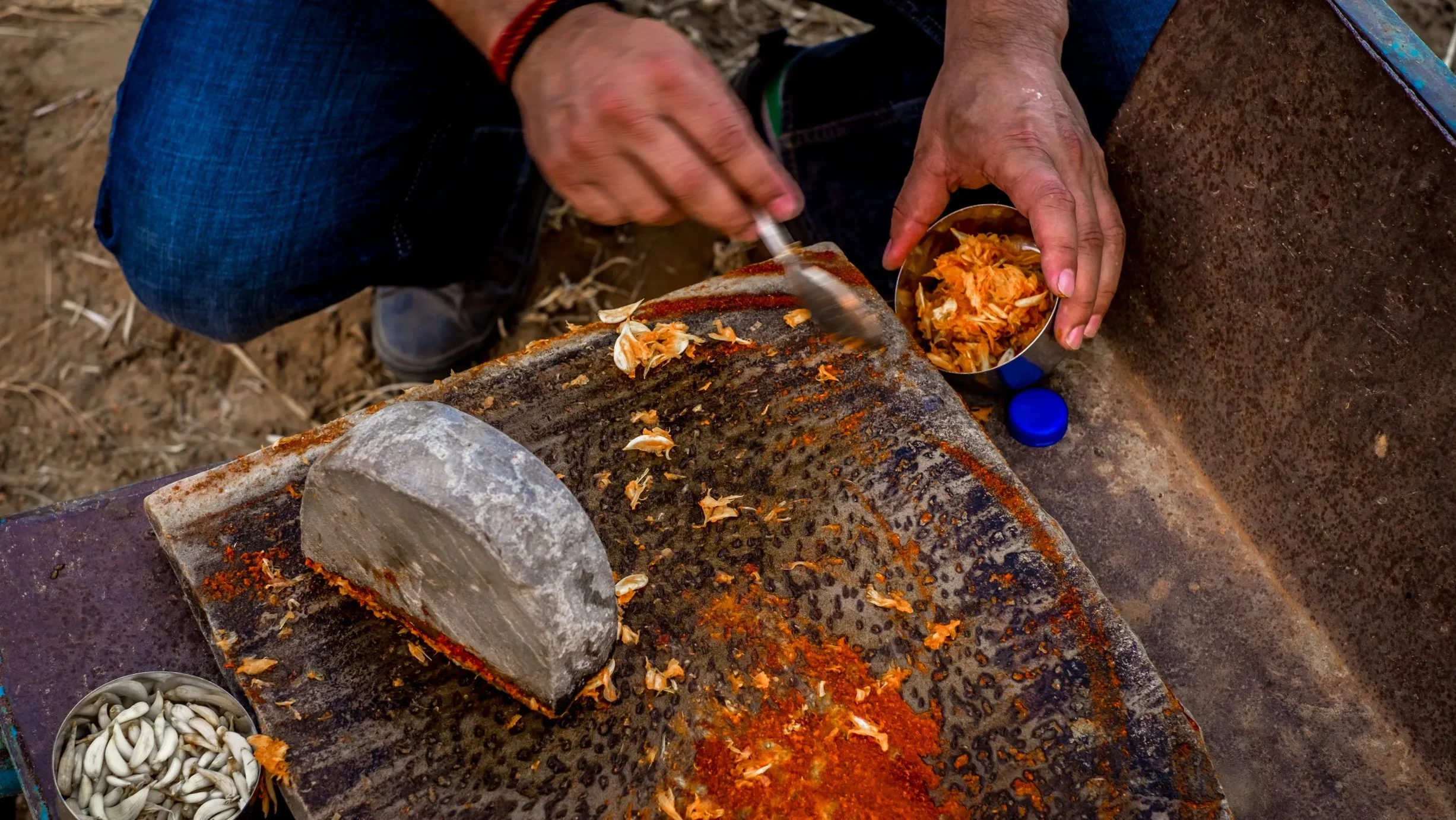
Authentic Indian cooking is not only about ingredients—it is also about patience.
Many classic Indian recipes involve cooking techniques that require time and attention.
Onions are slowly browned until they become naturally sweet.
Tomatoes are cooked until their moisture evaporates and their flavors deepen.
Whole spices are tempered in hot oil or ghee to release essential oils before any vegetables or meat are added.
Curries are simmered gently rather than rushed.
Fresh herbs are added at specific stages to preserve their aroma.
These seemingly small steps make an enormous difference in the final taste.
Modern commercial kitchens often prepare food quickly to serve large numbers of customers. While efficient, shortcuts can reduce the complexity that makes authentic Indian food so memorable.
In traditional Indian homes, cooking is still considered an expression of care and hospitality rather than simply preparing a meal.
This attention to detail is one of the biggest reasons visitors immediately notice the difference when eating in India.
One of the biggest surprises for international travelers is that the most memorable meal in India often isn’t served in a luxury restaurant—it’s prepared in someone’s home.
Indian home cooking focuses on balance rather than excess. Every family has its own recipes, cooking techniques, and spice preferences that have been passed down through generations. Even if two families prepare the same dish, the flavor can be completely different.
Unlike restaurant food, which is designed to appeal to a wide audience, home-cooked meals are personal. Ingredients are adjusted based on the season, the freshness of vegetables, and the preferences of family members. This flexibility creates dishes that feel comforting, authentic, and deeply connected to Indian culture.
Another reason home cooking stands out is the use of freshly prepared ingredients. Ginger-garlic paste is often made at home instead of using packaged versions. Fresh yogurt, homemade ghee, hand-ground chutneys, and seasonal herbs all contribute to flavors that are difficult to recreate elsewhere.
For travelers, experiencing a home kitchen is often the moment they realize that Indian cuisine is much more than the dishes they have eaten in restaurants abroad.
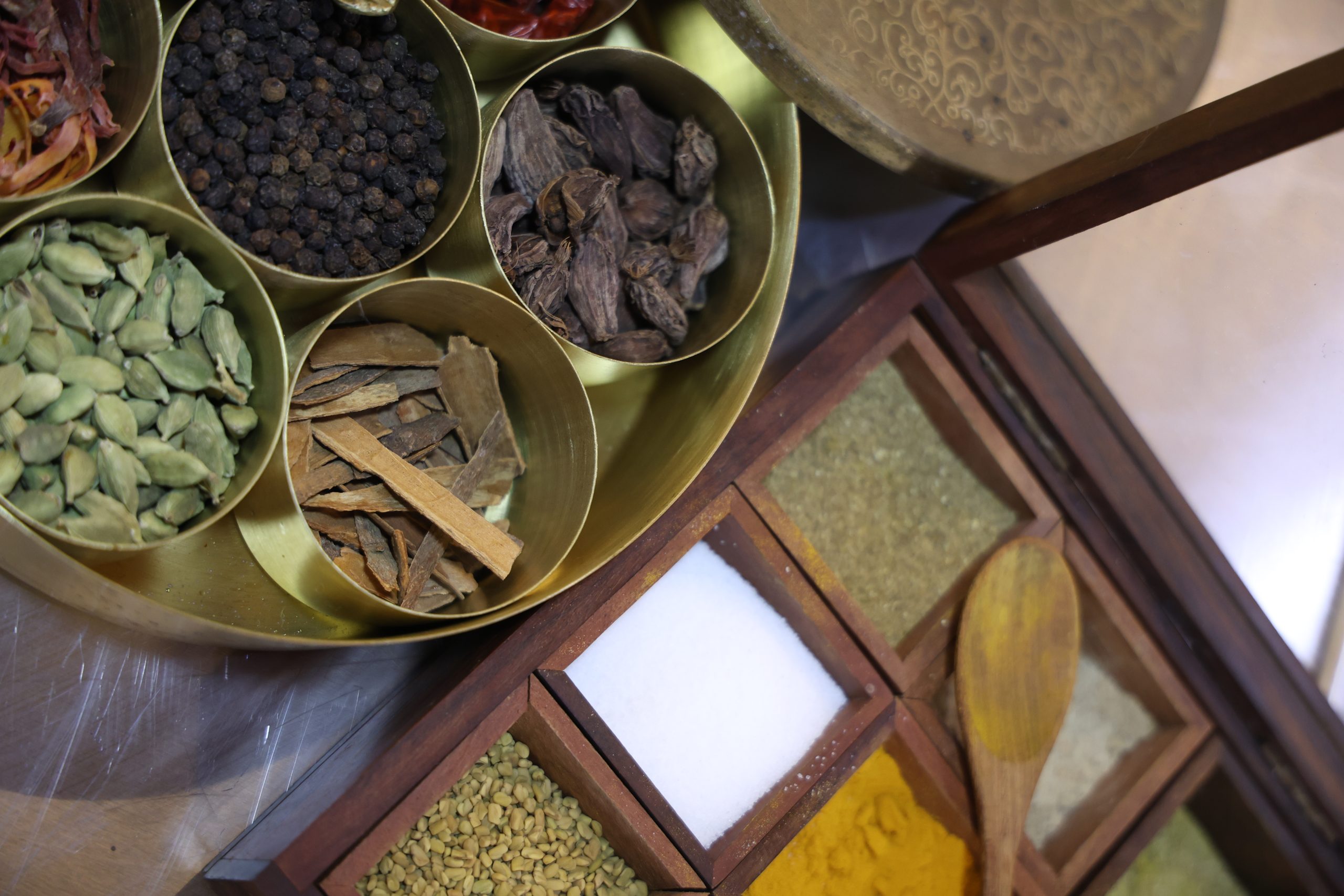 The Secret Behind Indian Masalas
Ask any Indian cook about the secret ingredient in their food, and many will smile and answer, “Masala.”
But “masala” isn’t a single spice. It is a carefully balanced blend of spices, and every household has its own version.
Whole spices such as cumin, coriander, black pepper, cloves, cinnamon, cardamom, fennel, bay leaves, and dried chilies are often roasted before being ground. Roasting releases natural oils, making the spices more aromatic and flavorful.
Many Indian families prepare small batches of masala regularly instead of storing them for long periods. Freshly ground spices retain their essential oils and provide a richer aroma than pre-packaged spice powders.
Timing is equally important. Some spices are added at the beginning of cooking to build a flavor base, while others are added toward the end to preserve their fragrance. This layered approach gives Indian dishes their depth and complexity.
During a Cooking Class in Delhi, many visitors are surprised to learn that using the same spices isn’t enough—the order, timing, and cooking technique matter just as much.
Understanding these details helps travelers recreate authentic flavors long after they return home.
Many people wonder why the same dish tastes completely different outside India.
The answer lies in adaptation.
Restaurants abroad often modify recipes to suit local tastes. Spice levels are reduced, sweetness may be increased, and ingredients are substituted based on availability. Some traditional spices are difficult to source fresh, while certain vegetables or dairy products may differ in quality or variety.
Restaurants also need consistency. A customer expects the same butter chicken or biryani every visit, so standardized recipes are commonly used. While this ensures reliability, it can reduce the unique character that comes from traditional home cooking.
Another difference is cooking style. Commercial kitchens prepare large quantities of food in advance, whereas Indian households usually cook fresh meals every day. Fresh preparation preserves aroma, texture, and flavor in ways that batch cooking often cannot.
This doesn’t mean Indian food abroad is bad—it simply reflects a different purpose. Restaurant dishes are adapted for convenience and broader appeal, while food prepared in India often stays closer to regional traditions and family recipes.
Reading about Indian cuisine is one thing. Experiencing it firsthand is something entirely different.
Preparing a meal alongside local hosts allows visitors to understand not only how dishes are made but also why they are prepared in certain ways. Every ingredient has a purpose, every spice has a role, and every recipe tells a story.
At Khudrang, guests don’t simply watch a cooking demonstration. They actively participate in creating authentic Indian dishes using fresh ingredients and traditional techniques. Along the way, they learn about Indian food culture, regional variations, family traditions, and the history behind everyday recipes.
A Cooking Class in Delhi offers much more than culinary skills. It provides cultural insight, meaningful conversations, and memories that last long after the trip ends.
Many travelers say that after learning to cook authentic Indian food themselves, they begin to appreciate Indian cuisine in an entirely new way. They return home with recipes, practical cooking techniques, and a deeper understanding of the traditions behind every meal.
Whether you’re a passionate home cook, a curious traveler, or someone who simply loves exploring new cultures, joining an Authentic Indian Cooking Experience in Delhi is one of the best ways to discover why Indian food tastes so unique.
Indian food tastes different in India because it is deeply connected to the country’s culture, traditions, and everyday life. While restaurants around the world have introduced millions of people to Indian cuisine, the true essence of these dishes is best experienced where they originated.
From freshly ground spices and seasonal ingredients to family recipes passed down through generations, every meal in India reflects a unique combination of history and hospitality. The cooking process itself is just as important as the ingredients, with techniques that have been perfected over centuries.
Another reason visitors notice such a remarkable difference is the diversity of Indian cuisine. Every state—and often every family—has its own way of preparing familiar dishes. This rich variety is difficult to capture in restaurants outside India, where recipes are often adapted to suit local tastes and available ingredients.
If you truly want to understand why Indian food tastes different in India than abroad, don’t just eat it—learn to cook it.
An Authentic Indian Cooking Experience in Delhi allows you to step into a local kitchen, work with fresh ingredients, understand the purpose of every spice, and hear the stories behind each recipe. It transforms a simple meal into a cultural experience you’ll remember long after your trip ends.
At Khudrang, we believe food is one of the best ways to connect with India’s culture. Our Cooking Class in Delhi is designed for travelers who want more than just a cooking lesson—they want an authentic experience, meaningful conversations, and memories they can take home along with delicious recipes.
Whether you’re visiting Delhi for the first time or you’re already in love with Indian cuisine, learning from local hosts is one of the most rewarding ways to experience the real flavors of India.
Indian food tastes different because it is prepared using fresher ingredients, locally sourced vegetables, freshly ground spices, traditional cooking methods, and regional family recipes. Restaurants abroad often adapt dishes to suit local tastes, which changes the flavor.
Many Indian restaurants outside India serve delicious food, but they often modify recipes by reducing spice levels, changing ingredients, or simplifying cooking methods. Authentic Indian home cooking usually offers a richer and more traditional flavor.
Indian spices are often used whole, roasted, and freshly ground before cooking. This preserves their natural oils and aroma, creating deeper and more complex flavors than pre-packaged spice blends commonly used elsewhere.
Absolutely. Joining a Cooking Class in Delhi is one of the best ways to learn authentic recipes, understand Indian spices, and experience local food culture directly from experienced home cooks.
Most cooking experiences include popular Indian dishes such as butter chicken, dal, paneer recipes, seasonal vegetables, fresh chapati or naan, rice dishes, chutneys, and traditional desserts. The menu may vary depending on the season and the cooking class.
No. Most cooking classes are beginner-friendly and suitable for travelers of all skill levels. Professional chefs and local hosts guide participants through every step, making it easy and enjoyable.
Homemade spice blends are fresher, more aromatic, and can be customized for different recipes. Many families have unique masala recipes that have been passed down through generations, giving their food a distinctive flavor.
Yes. A cooking class offers much more than learning recipes. It provides cultural insights, hands-on experience, interaction with local hosts, and the confidence to recreate authentic Indian dishes at home. Many travelers consider it one of the most memorable experiences during their visit to India.
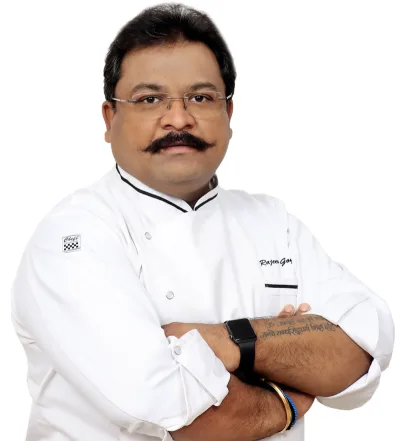 Dr. Rajeev Goyal
Founder, Khudrang
Rajeev Goyal is the founder of Khudrang, a Delhi-based cultural experience company that helps travelers discover India through authentic cooking classes, food experiences, and local traditions. With years of experience hosting international guests, he believes that food is one of the best ways to understand Indian culture. Through every Cooking Class in Delhi, Rajeev and his team focus on sharing authentic recipes, regional flavors, and meaningful cultural stories that travelers can take home.
Explore More: https://khudrang.in/


