No products in the cart.
- info@khudrang.in
- +91 70422 78866
- +91 9810645418
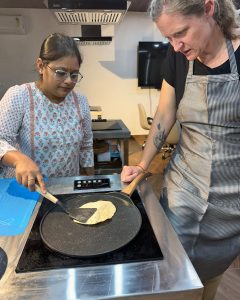
Delhi is one of the best places in India to explore food, culture, and traditions. While many travelers enjoy Indian cuisine at restaurants and street food stalls, a growing number of visitors are looking for something more immersive—a hands-on cooking experience that allows them to understand Indian food from the inside out.
If you’re wondering what do you actually learn in an Indian cooking class in Delhi, the answer goes far beyond simply following a recipe. A good cooking class teaches you about Indian ingredients, spices, cooking techniques, cultural traditions, and the stories behind some of India’s most beloved dishes.
Whether you’re a beginner, a food enthusiast, or an experienced home cook, a cooking class in Delhi can help you gain practical skills while experiencing authentic Indian culture.
Delhi attracts travelers from around the world who want to experience India beyond sightseeing.
Many visitors choose cooking classes because they:
Unlike restaurant dining, cooking classes allow participants to become part of the process rather than simply observing it.
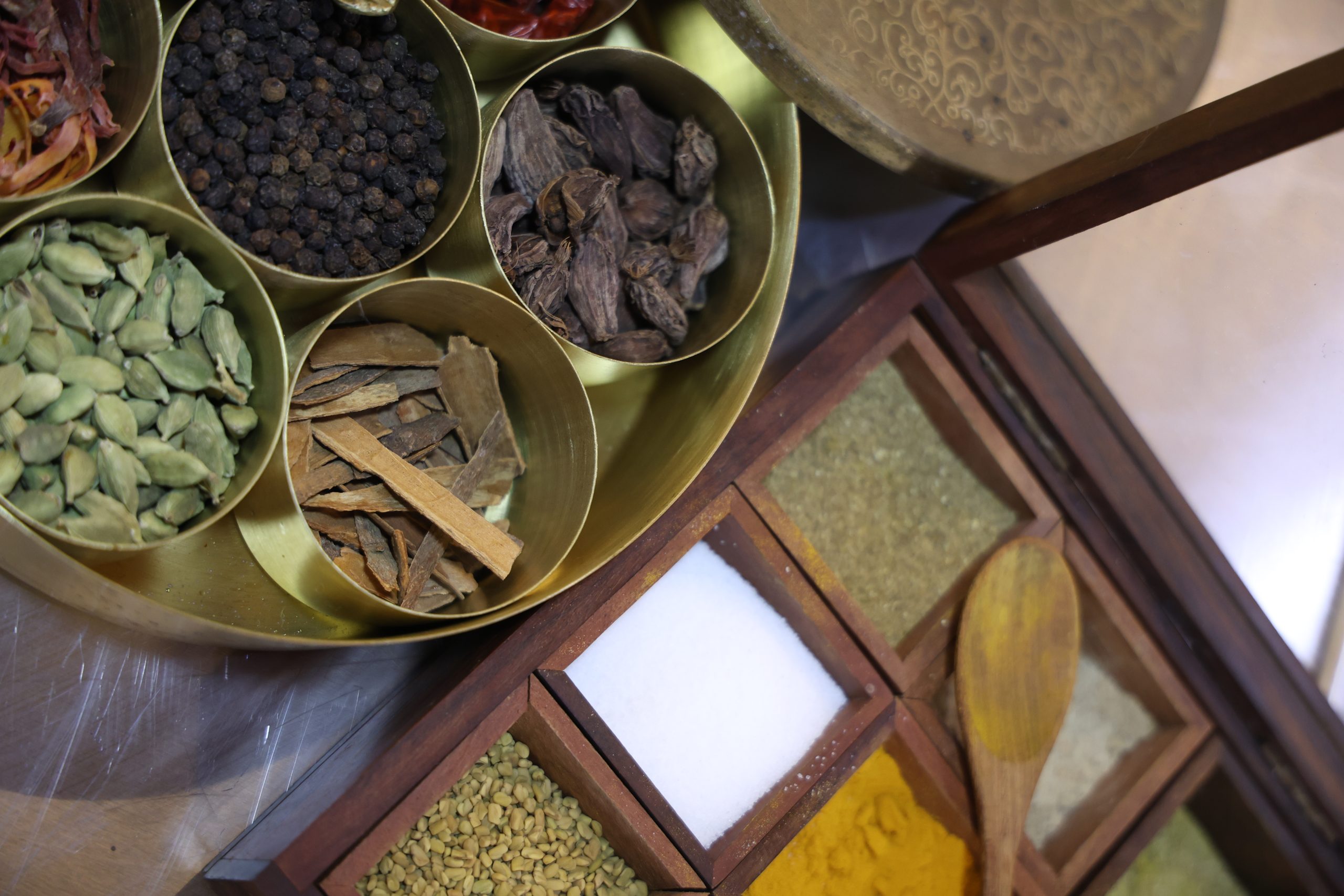 1. Understanding Indian Spices
One of the first things you’ll learn is how Indian spices work together.
Many people assume Indian food is simply “spicy,” but Indian cuisine is actually about balance, aroma, and layering flavors.
If you want to explore Indian spices, visit Khud Rang for a unique spice tasting experience with a wide variety of flavors.
You’ll learn about:
Most instructors explain:
This knowledge alone can completely transform the way you cook Indian food at home.
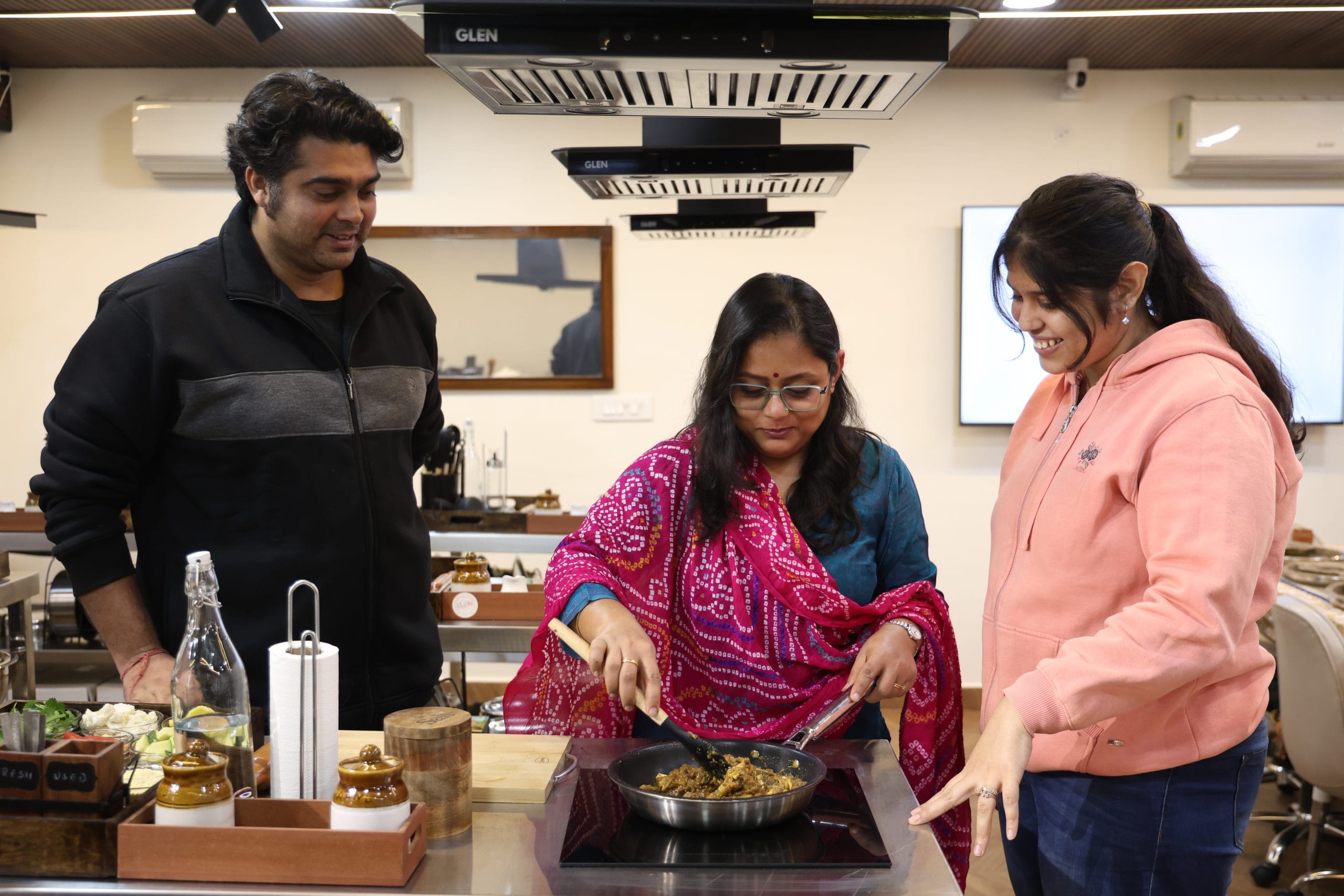 2. How to Build Flavor Like an Indian Chef
Indian cooking isn’t just about ingredients.
Participants learn foundational techniques such as:
A method where spices are briefly cooked in hot oil or ghee to release their aroma.
Many Indian curries start with a carefully prepared onion and tomato mixture.
Instead of adding everything at once, Indian cooking often builds flavor gradually.
Understanding these techniques helps participants recreate authentic flavors instead of simply following recipes.
A major highlight of any authentic Indian cooking experience in Delhi is preparing traditional dishes from scratch.
Depending on the class, participants may learn:
One of India’s most famous dishes.
You’ll learn:
A popular vegetarian dish featuring Indian cottage cheese.
A slow-cooked lentil dish rich in flavor and tradition.
A healthy and flavorful chickpea curry.
A versatile dish that teaches essential cooking techniques.
Each recipe introduces important skills that can be applied to many other Indian dishes.
Many cooking classes include bread-making sessions.
Participants often learn how to prepare:
India’s everyday flatbread.
A soft and fluffy bread commonly served with curries.
A layered flatbread enjoyed across India.
Making Indian bread helps participants understand an important part of Indian meals that many people never attempt at home.
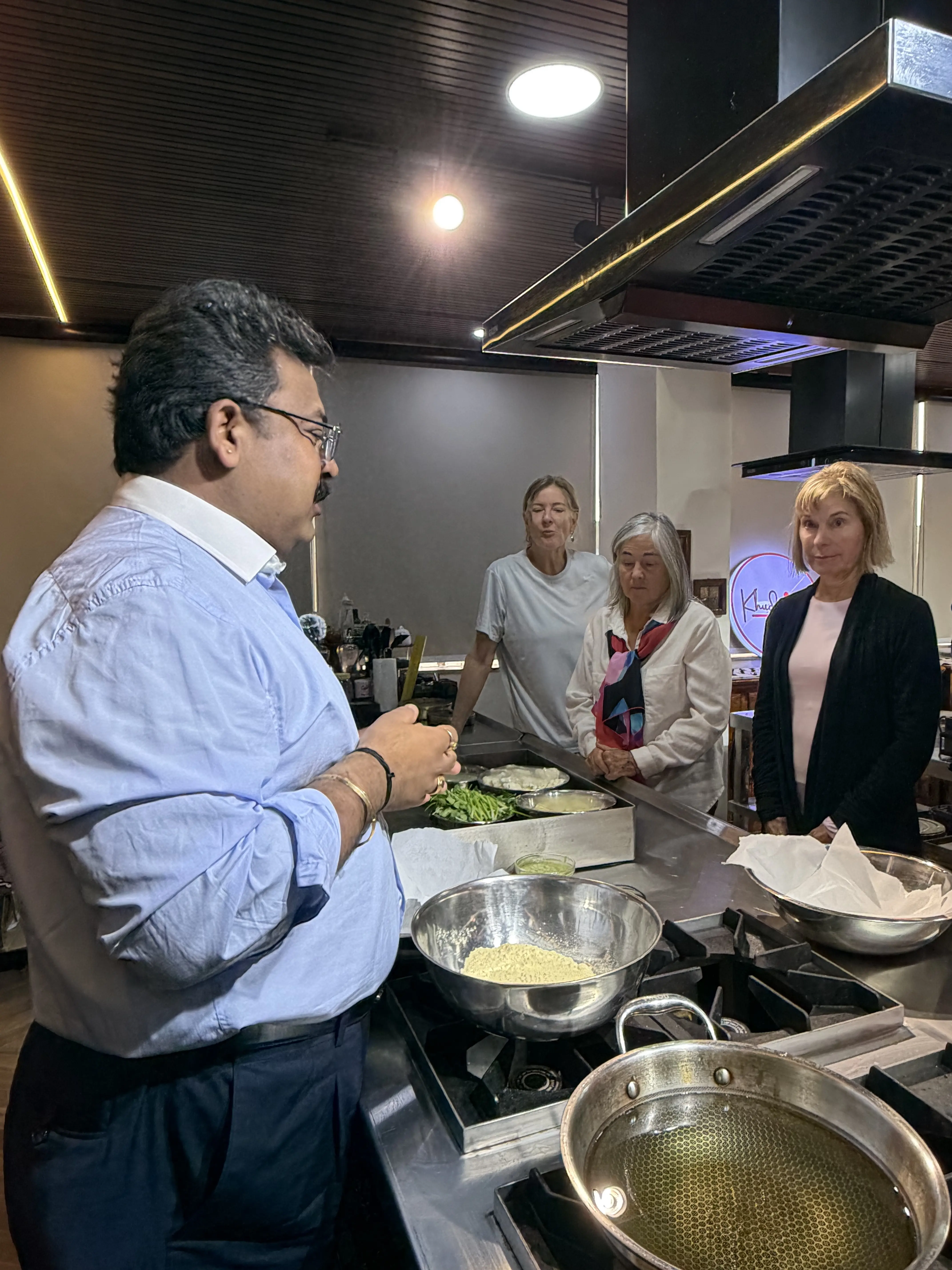 5. Understanding Indian Food Culture
One of the most valuable lessons in a cooking class is cultural understanding.
Food in India is deeply connected to:
Instructors often share stories about:
This cultural context makes the cooking experience much more meaningful.
Unlike online tutorials, cooking classes provide practical experience.
Participants actively:
Hands-on learning improves confidence and helps people remember techniques more effectively.
By the end of the session, many participants feel comfortable recreating the dishes at home.
Indian cooking introduces many ingredients that may be unfamiliar to international travelers.
You’ll learn about:
Understanding these ingredients makes it easier to shop for Indian recipes after returning home.
Experienced chefs often share practical advice that isn’t included in written recipes.
Examples include:
These small details often make the biggest difference in cooking results.
Many modern cooking classes accommodate:
Participants learn how traditional recipes can be adapted while maintaining authentic flavors.
Perhaps the most important thing participants gain is confidence.
Many people find Indian cooking intimidating because of:
A cooking class simplifies the process and helps participants realize that authentic Indian food can be prepared successfully at home.
Travelers often describe cooking classes as one of the highlights of their trip because they provide:
Unlike traditional tourist activities, cooking classes create skills and experiences that stay with participants long after their visit.
At Khudrang, guests experience much more than a cooking lesson.
Participants enjoy:
Whether you’re traveling solo, with friends, or as a family, Khudrang offers a memorable cooking class in Delhi that combines food, culture, and learning.
You learn far more than recipes. You discover the art of using spices, the techniques behind authentic Indian dishes, the traditions that shape Indian cuisine, and the confidence to recreate those flavors at home.
A cooking class is one of the most immersive ways to experience India. It allows visitors to connect with local culture, learn practical culinary skills, and enjoy authentic food in a meaningful way.
If you’re looking for a memorable and educational activity in Delhi, an authentic Indian cooking experience is an excellent place to start.
No, Most classes are beginner-friendly and suitable for all skill levels.
Popular dishes include Butter Chicken, Paneer Butter Masala, Dal Makhani, Chana Masala, and Indian breads like naan and roti.
Most cooking experiences last between 2 and 4 hours.
Yes, Most cooking classes offer vegetarian and vegan options.
Many cooking classes provide recipe cards or digital recipe guides.
Absolutely, It offers cultural immersion, practical learning, and a memorable experience beyond traditional sightseeing.


